
An environment can invite participation, make information tangible or respond to a change around it. The experience emerges through the relationship between people, space, media and the systems connecting them.
We explore that relationship through physical–digital prototypes and installations, bringing together spatial design, interfaces, sensing and responsive behavior around a clear purpose.
-
An installation needs to communicate what people can do without relying on a lengthy explanation. We design the encounter, the action and the feedback together, considering individual exploration, shared participation and different levels of familiarity.
-
A sensor reading becomes meaningful through the response it informs. We investigate which environmental or interaction signals matter and how a change in light, movement, sound or information can make the experience understandable.
-
Maps, interfaces and installations can create ways for people to explore the places they use and contribute their perspective. We consider accessibility, context and how participation is interpreted, so the experience remains connected to the question being explored.
-
Research into affective computing explores how systems interpret signals associated with expression and interaction. Such signals are context-dependent and do not provide direct access to a person's feelings. Our approach treats these interpretations as uncertain, with attention to consent, alternatives to sensing and how an installation communicates its experimental nature.
Our approach
Selected work
-
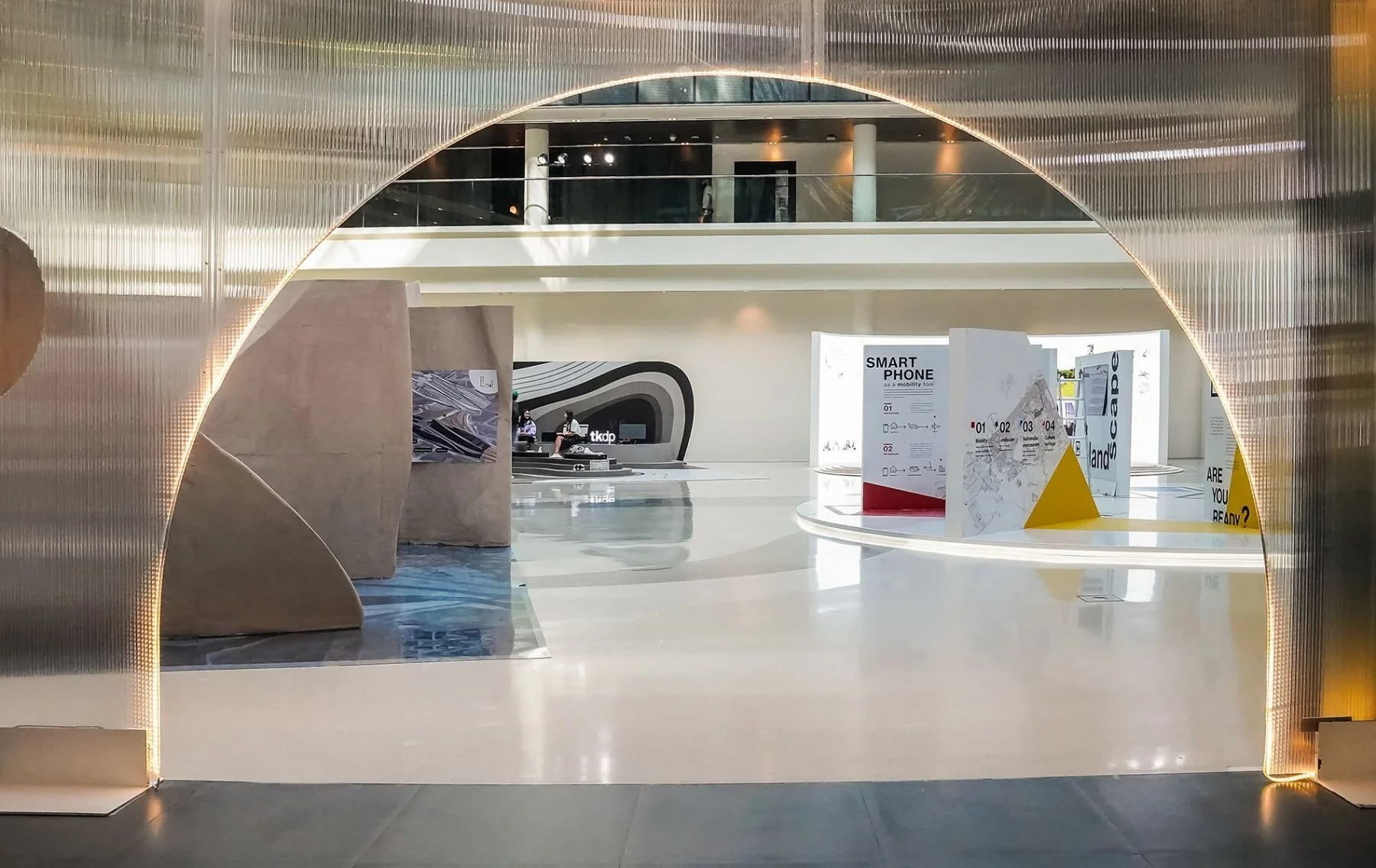
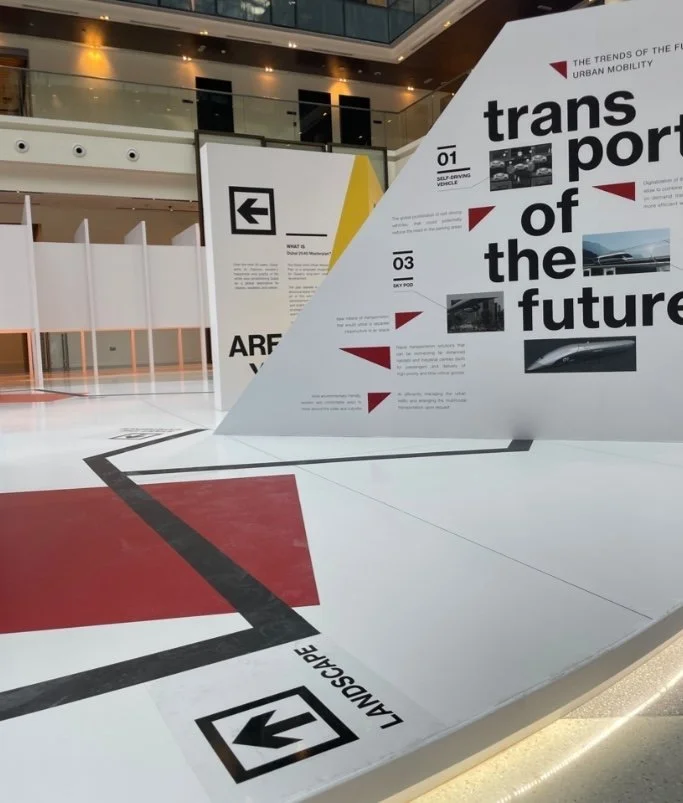
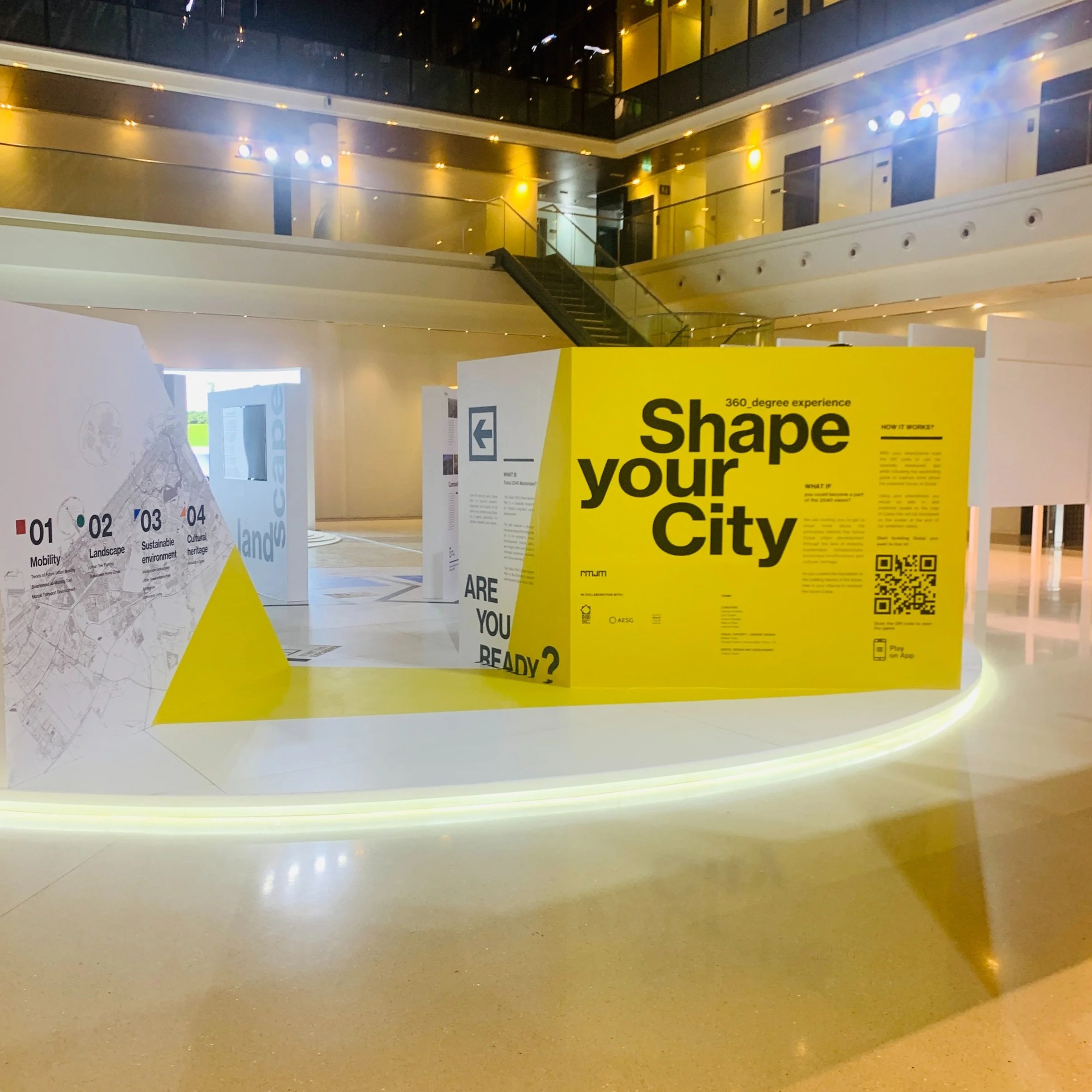
An installation and web application presented at Dubai Design Week 2021, combining urban information with an invitation to contribute ideas.
-
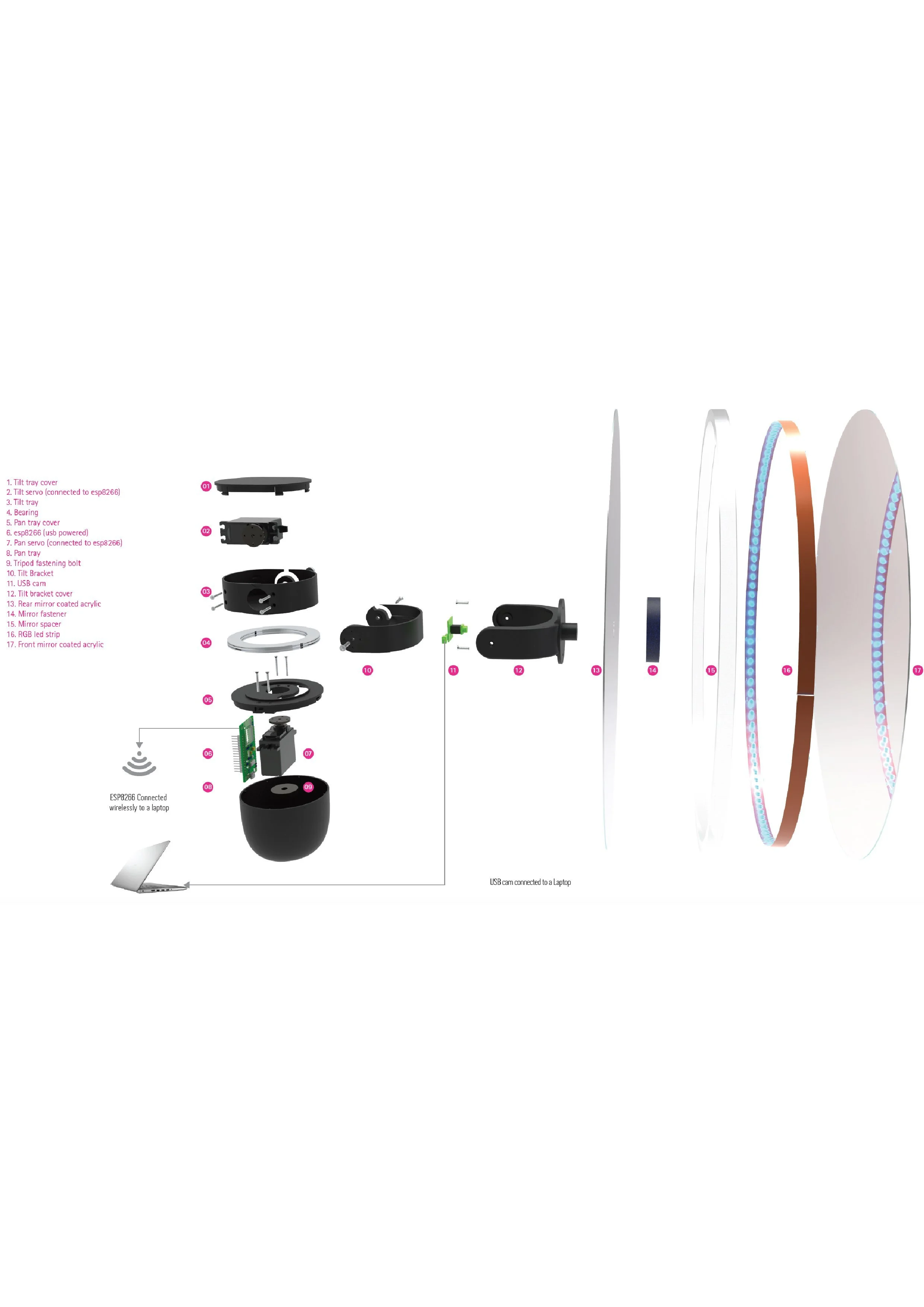
An experimental project connecting expression analysis, sensing and kinetic feedback to explore how environments might respond to social interaction.
What we can explore together
An exhibition that invites participation. A responsive public installation. A space that makes environmental information tangible. A prototype for a new interaction between people and their surroundings.
We develop the concept and interaction alongside the technical system, installation context and testing needed. Explore Smart Products & IoT and R&D & Prototyping.
Related expertise: Data Visualization · UX/UI Design
Questions worth asking
-
Many interactions can use anonymous inputs, direct controls or environmental signals. The appropriate approach depends on the experience and should be considered from the start.
-
Yes. A focused prototype can test the interaction and technical assumptions before a larger installation is developed.
•
spatial design
•
interfaces
•
sensing
•
responsive behavior
•
installations
•
participation
•
physical–digital prototypes
•
urban information
• spatial design • interfaces • sensing • responsive behavior • installations • participation • physical–digital prototypes • urban information